The Single Plane Swing

"The Feeling of Greatness" - The Moe Norman Method
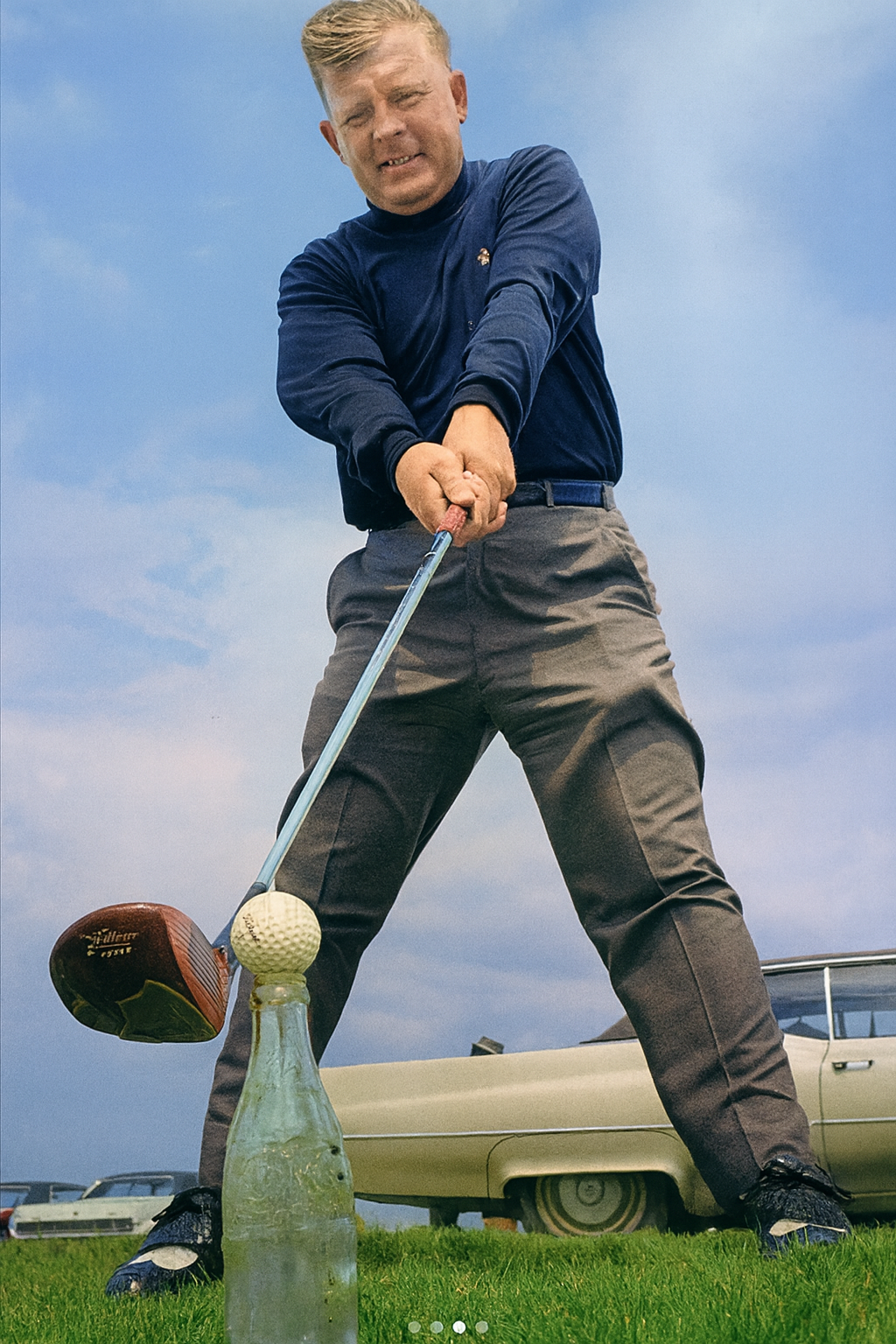
Moe Norman - Golf Legend

Welcome to your comprehensive guide. Moe Norman was known as "Pipeline Moe" because he hit the ball straighter than anyone in history. His secret? Simplification. This guide covers the 5 essential steps to replicate his Single Plane motion.

1
The Unique Setup: Grip & Stance

The Foundation of Stability

Most golfers hold the club in their fingers to create wrist hinge. Moe did the opposite. He held the club in his palms to remove extra movement.
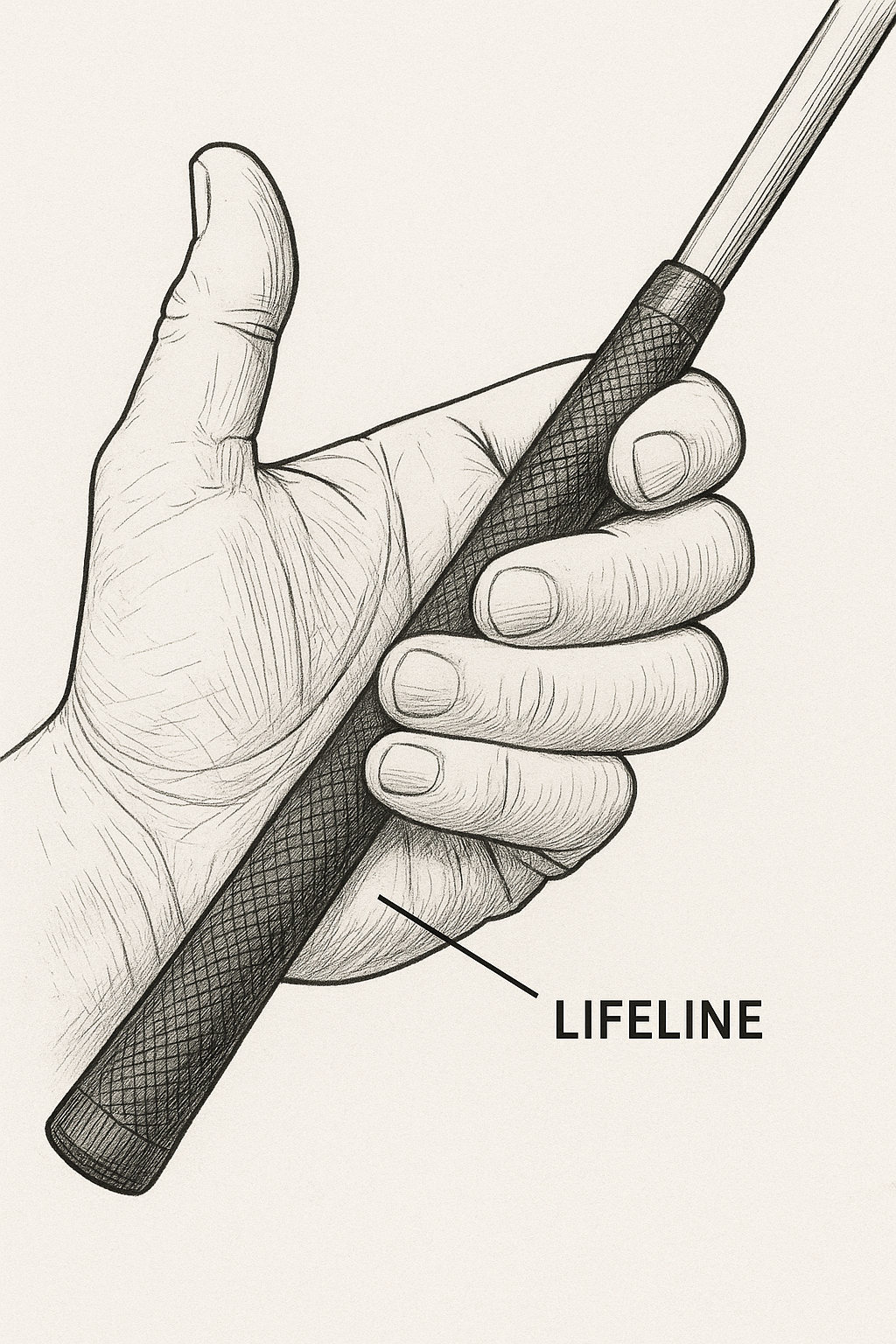
Key Mechanics:

  • The Palm Grip: Place the club handle directly through the "lifeline" of your lead palm. This locks the wrist.
  • Wide Stance: Your feet should be significantly wider than your shoulders. This creates a stable base that prevents swaying.
The Sledgehammer Analogy: Think about how you hold a heavy sledgehammer to drive a spike into the ground. You don't hold it daintily in your fingertips; you grab it in your palms for strength and a direct blow.
Close up of the Lead Hand showing the grip passing through the Lifeline
Learning Activity: The Hammer Test

Goal: Feel the difference in wrist stability.

  1. Hold a pen or club in your fingers. Wiggle your wrist up and down. Notice how "floppy" it creates a large range of motion?
  2. Now, place the handle deep into your palm (across the lifeline) and wrap your thumb over. Try to wiggle your wrist now.
  3. Result: You should feel "locked" and stable. This is the secret to Moe's accuracy.
2
The Single Plane Address

Aligning the Rod

In a conventional swing, the arms hang down, creating an angle between the arms and the club. In Moe's swing, the arms and club form a continuous straight line.

Key Mechanics:

  • The Rod: Extend your arms so the club shaft aligns perfectly with your lead arm. From the face-on view, it looks like a straight rod from shoulder to clubhead.
  • Distance: You must stand further from the ball than usual to achieve this alignment.
  • Tilt: Tilt your upper body slightly away from the target (right shoulder lower than left).
The Extension Cord Analogy: Imagine your arm and the club are a single, stiff extension cord. There are no "kinks" or bends at the wrist. It is one long lever.
Learning Activity: The Mirror Check

Goal: Verify your single plane alignment.

  1. Stand in front of a mirror (down the line view).
  2. Take your setup. Look at your lead arm and the club shaft.
  3. If you see an angle (hands lower than the club path), you are too close. Back up.
  4. Result: Adjust until you can draw a straight line with a dry-erase marker on the mirror from your shoulder, through your elbow, all the way to the clubhead.
3
Backswing Mechanics

Low and Slow

Because you are already on the correct plane at address, you don't need to lift the club. You simply turn.

Key Mechanics:

  • Restricted Hip Turn: Do not let your hips rotate freely. Keep them resistant to build tension (torque) in your core.
  • Flat Trail Foot: Keep your right heel (for righties) glued to the ground during the backswing. This prevents swaying.
The Archer Analogy: Imagine drawing back a bow and arrow. You pull the string back (upper body rotates), but your feet and legs stay planted firmly to provide the resistance needed to fire.
Learning Activity: The Doorframe Drill

Goal: Learn to turn without swaying.

  1. Stand in a doorway. Place the outside of your trailing foot against the doorframe.
  2. Take your backswing.
  3. If your foot comes off the ground or your hip slides into the frame, you are swaying.
  4. Result: Practice turning your shoulders while keeping your foot flat and your hip from crashing into the wall.
4
Downswing & Impact

The Vertical Drop

This is the move that separates the pros from the amateurs. Since you are on a single plane, you don't throw the club "over the top."

Key Mechanics:

  • Vertical Drop: Let gravity help the arms drop straight down while keeping your back to the target.
  • Square Impact: You return to the exact position you were in at address. Moe called this "The Master of the Middle."
The Bell Ringer: Imagine pulling a rope to ring a church bell. You pull the rope straight down. You don't pull it out toward the audience. Pull the handle down, and the clubhead will naturally whip through.
Learning Activity: The Slow-Mo Return

Goal: Visualize the "perfect circle" swing.

  1. Take your setup and note exactly where your hands are in space.
  2. Go to the top of your backswing and stop.
  3. Very slowly bring the club down, trying to touch that exact same spot in space where your hands started.
  4. Result: If you have to manipulate your wrists to get there, your grip or plane was off. It should feel like a simple retracing of the path.
5
Follow-Through

The Extension

Moe didn't twist his spine into a pretzel. He extended down the line towards the target.

Key Mechanics:

  • High Hands: Finish with your hands high and in front of your head, not wrapped around your neck.
  • Chase the Ball: Feel like the clubhead is chasing the ball down the fairway.
The Bucket of Water: Imagine you are throwing a bucket of water down the fairway. You would extend your arms fully toward the target to get maximum distance. You wouldn't throw it around your left shoulder.
Learning Activity: The Statue Hold

Goal: Check your balance.

  1. Swing through to your finish position.
  2. Freeze like a statue. Count to 3.
  3. If you are falling backward or stumbling, you swung too hard or lost your plane.
  4. Result: You should be perfectly balanced on your lead leg, with your chest facing the target.